How Often Should Homeowners Schedule Septic Pumping in Englewood, FL?
If you’re a homeowner in Englewood, FL, managing your septic system effectively is essential to avoid costly repairs and environmental concerns. Septic pumping plays a critical role in maintaining the health of your septic tank and ensuring long-term functionality. Southern Sanitary Systems Inc., a trusted name in the area, highlights that knowing how often to schedule septic tank pumping can save you from unpleasant backups and protect your property’s value. This article covers the recommended pumping frequency based on tank sizes and household use, offers tips for monitoring your system’s health, and considers how local conditions impact maintenance schedules, all to help you make informed decisions for your home’s septic care.
Recommended Pumping Frequency Based on Tank Size and Household Use
Septic tanks vary in size but commonly range from 750 to 1,250 gallons. The pumping frequency depends largely on your tank’s capacity and the water usage within your household. Here’s a general guideline to help homeowners plan septic pumping:
- Small households (1-3 people) with a tank size around 750 gallons typically require pumping every 4 to 5 years.
- Medium households (4-6 people) with tanks from 1,000 to 1,250 gallons should pump every 3 to 4 years.
- Larger households (6+ people) or homes with increased water use may need pumping annually or biannually.
High usage due to frequent laundry cycles, numerous appliances, or the presence of guests can accelerate sludge buildup and shorten the time between necessary pumpings. Regular septic tank pumping prevents solids from accumulating and overwhelming your system.
How Regular Septic Pumping Prevents Costly Backups and Environmental Hazards
Routine septic tank maintenance protects your home from backups, which can lead to unpleasant odors inside and around your home, costly plumbing repairs, and even contamination of the groundwater. Pumping removes accumulated sludge and scum, preventing clogs in the drain field that can cause system failure.
In Englewood, FL, where groundwater conditions and soil types can vary, a failing septic system poses added environmental risks such as pollution of nearby water bodies and harm to local ecosystems. Regular septic pumping safeguards not only your property but also the wider community’s water quality by ensuring the system functions correctly and safely.
The Step-by-Step Septic Pumping Process
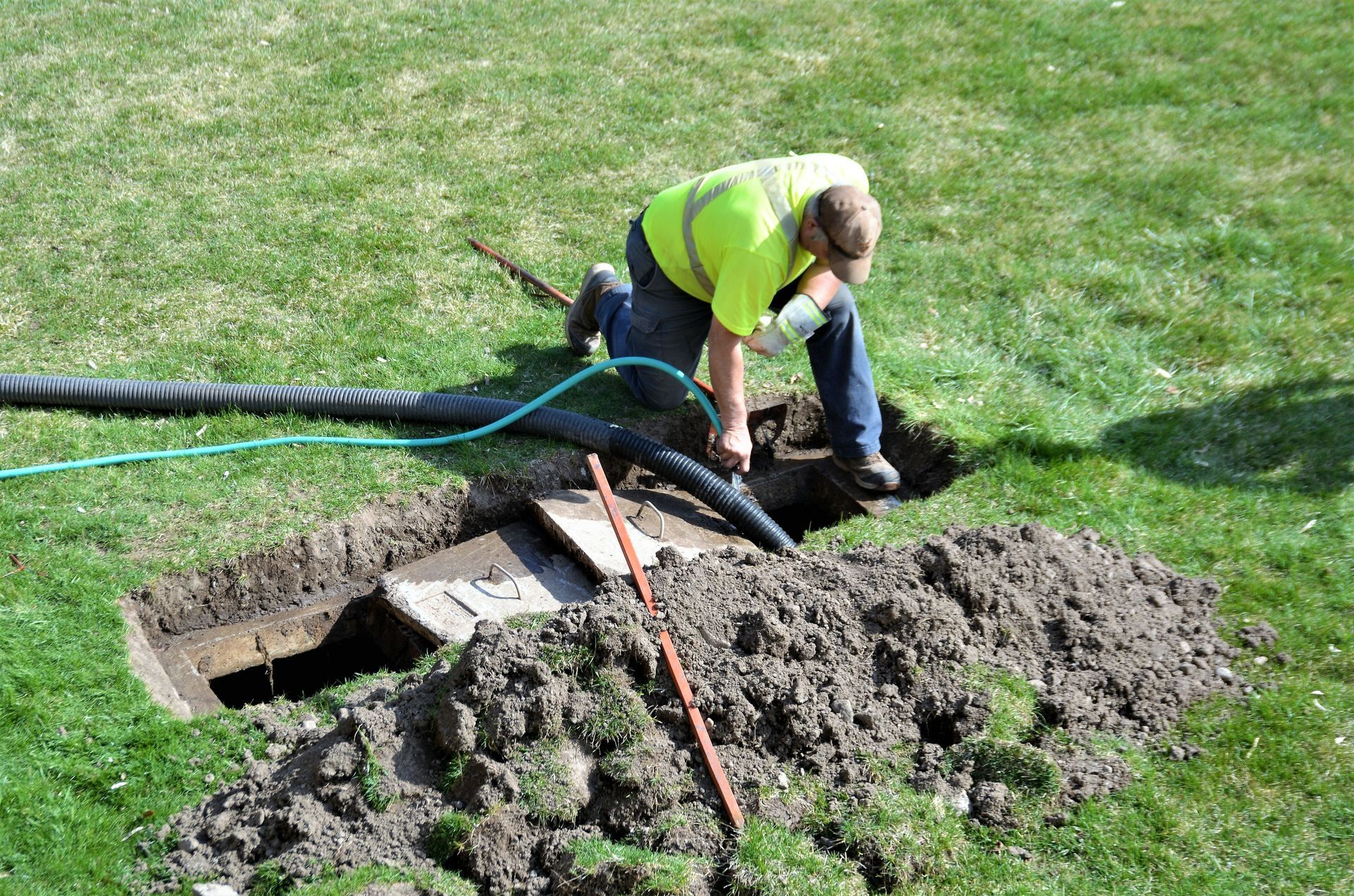
Understanding what to expect during septic pumping can help homeowners prepare for the service and ensure a smooth experience. When a professional septic tank pumping company arrives, the process typically includes these key steps:
- Locating the Septic Tank Lid: The technician will first locate and safely expose the septic tank’s access lid to inspect the tank and the surrounding area.
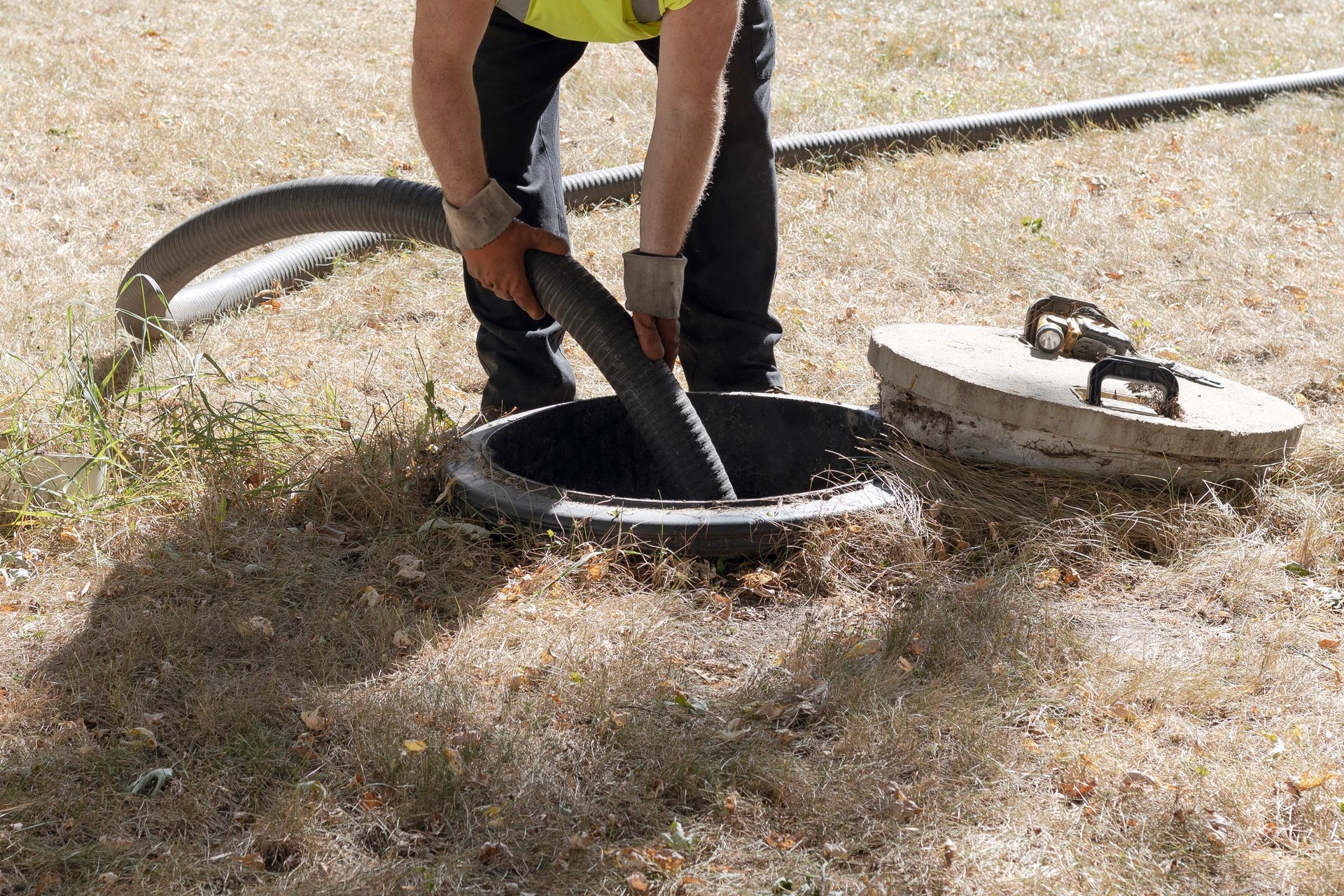
- Opening the Tank: After removing the lid, the technician examines the tank’s interior levels to assess sludge and scum accumulation.
- Pumping Out the Tank: Using specialized vacuum trucks, all the solid waste, sludge, and scum, along with liquids, are carefully pumped out to clear space in the tank.
- Inspection: Professionals will check for any visible signs of damage or leaks within the tank or inlet/outlet pipes to ensure system integrity.
- Cleaning & Closing: Once pumped, the tank lid is securely closed, and the area around the tank is cleaned, leaving your yard tidy and safe.
- Follow-Up Recommendations: The service provider may offer advice on scheduling the next pumping or necessary repairs based on their inspection.
Knowing these steps can give peace of mind and help plan your septic tank pumping appointments efficiently.
Tips for Monitoring Your Septic System’s Health
Homeowners can observe several warning signs indicating that it may be time to schedule septic tank pumping:
- Slow drains or gurgling sounds when water is running in sinks, tubs, or toilets.
- Pooling water or damp spots in your yard, especially over the drain field.
- Unpleasant odors around the septic tank or drain field.
- Sewage backups inside the home or near plumbing fixtures.
Regular inspections, combined with pumping on a preventive schedule, help prolong your septic system’s life and identify potential issues before they turn costly. Avoid flushing items like grease, wipes, or chemicals that disrupt natural bacterial action in your septic system.
Local Conditions in Englewood, FL, That Affect Pumping Schedules
Englewood’s coastal location and specific soil conditions influence how septic systems function. Sandy soil with high permeability can absorb wastewater quickly, but fluctuating water tables or heavy rainfall in the area might reduce absorption efficiency, putting additional strain on septic systems.
Homeowners should consider these factors when planning their septic tank pumping schedule. Frequent wet seasons or proximity to the coast may require shorter intervals between services to maintain optimal system performance.
Maintain Your Septic System’s Health With Timely Pumping
Protect your home and the beautiful environment of Englewood, FL, by adhering to recommended septic pumping schedules that match your tank size and household usage. Stay alert for warning signs and adjust your maintenance plan according to local conditions. Consistent septic pumping not only prevents expensive repairs and backup issues but also contributes to the community’s well-being. If you’re unsure about the best pumping frequency for your property or want expert assistance maintaining your septic system,
contact Southern Sanitary Systems Inc. today for reliable septic tank pumping services and expert guidance on septic system maintenance.
Recent Posts